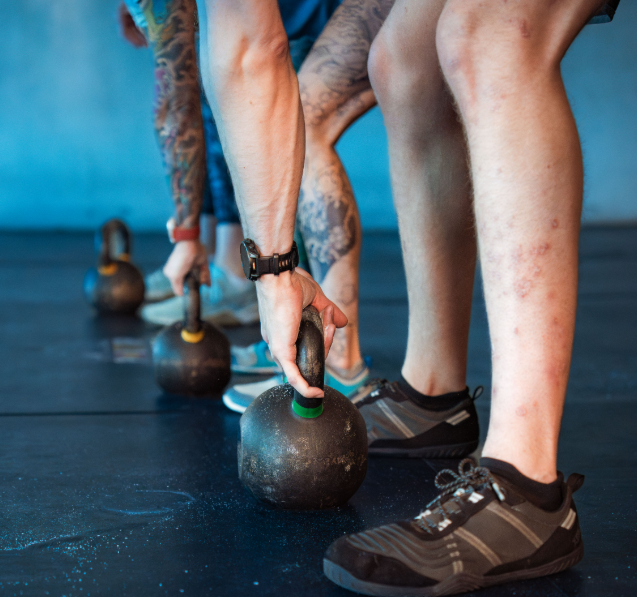
Listen to Your Body: The Key to Smarter Recovery and Stronger Performance
In a world that glorifies “no days off” and pushing to the absolute limit, it’s easy to believe that more is always better. More intensity. More volume. More sweat. But the truth is, real progress doesn’t come from how hard you can push—it comes from how well you can balance effort with recovery.
Listening to your body isn’t weakness. It’s awareness. And it might be the most underrated skill in fitness.
The Fine Line Between Growth and Burnout
Every workout places stress on your body. That stress is what stimulates adaptation—stronger muscles, improved endurance, better performance. But those gains don’t happen during the workout. They happen after, when your body has time to repair and rebuild.
Push too hard without listening, and you don’t accelerate progress—you stall it. Fatigue builds, performance drops, and eventually, injury or burnout creeps in.
On the flip side, if you never challenge yourself, your body has no reason to adapt. Growth requires discomfort—but it has to be the right kind.
What “Listening to Your Body” Actually Means
This isn’t about skipping workouts every time something feels hard. It’s about learning the difference between productive discomfort and harmful strain.
Productive signals:
- Muscle fatigue during a workout
- Slight soreness 24–48 hours later
- Elevated breathing and heart rate during effort
Warning signs:
- Sharp or persistent pain
- Lingering fatigue that doesn’t improve with rest
- Decreased performance despite consistent effort
- Poor sleep, irritability, or lack of motivation
The goal is to push through the first group—and respect the second.
Recovery Is Not Optional
Recovery isn’t what you do when you’re too tired to train. It’s part of the training itself.
When you prioritize recovery, you:
- Reduce injury risk
- Improve performance consistency
- Maintain higher intensity when it matters
- Build long-term resilience
Recovery can take many forms:
- Quality sleep
- Proper nutrition
- Hydration
- Active recovery (walking, light cycling, mobility work)
- Strategic rest days
Ignoring these is like trying to build muscle without protein—you’re missing a critical piece of the equation.
When to Push—and When to Pull Back
The best athletes aren’t the ones who go all-out every day. They’re the ones who know when to go all-out.
Push harder when:
- You feel energized and well-rested
- Your performance is trending upward
- Minor soreness fades during warm-up
Dial it back when:
- Your body feels heavy or sluggish
- You’re not recovering between sessions
- Small aches are turning into real pain
Sometimes the smartest move is swapping a high-intensity session for a lower-intensity one. Other times, it’s taking a full rest day so you can come back stronger.
Long-Term Progress Beats Short-Term Ego
Anyone can crush a single workout. Not everyone can train consistently for months or years without breaking down.
Listening to your body allows you to:
- Train longer without setbacks
- Maintain momentum
- Build sustainable habits
- Actually enjoy the process
Fitness isn’t about proving how tough you are today—it’s about becoming stronger over time.
The Takeaway
Your body is constantly giving you feedback. The question is whether you’re paying attention.
Push yourself—but with purpose. Recover—but without guilt.
Because the real goal isn’t just to work hard. It’s to work smart.
And the smartest athletes know: sometimes the hardest thing you can do… is listen.